Preparing Your Roof for Wisconsin Winter Weather
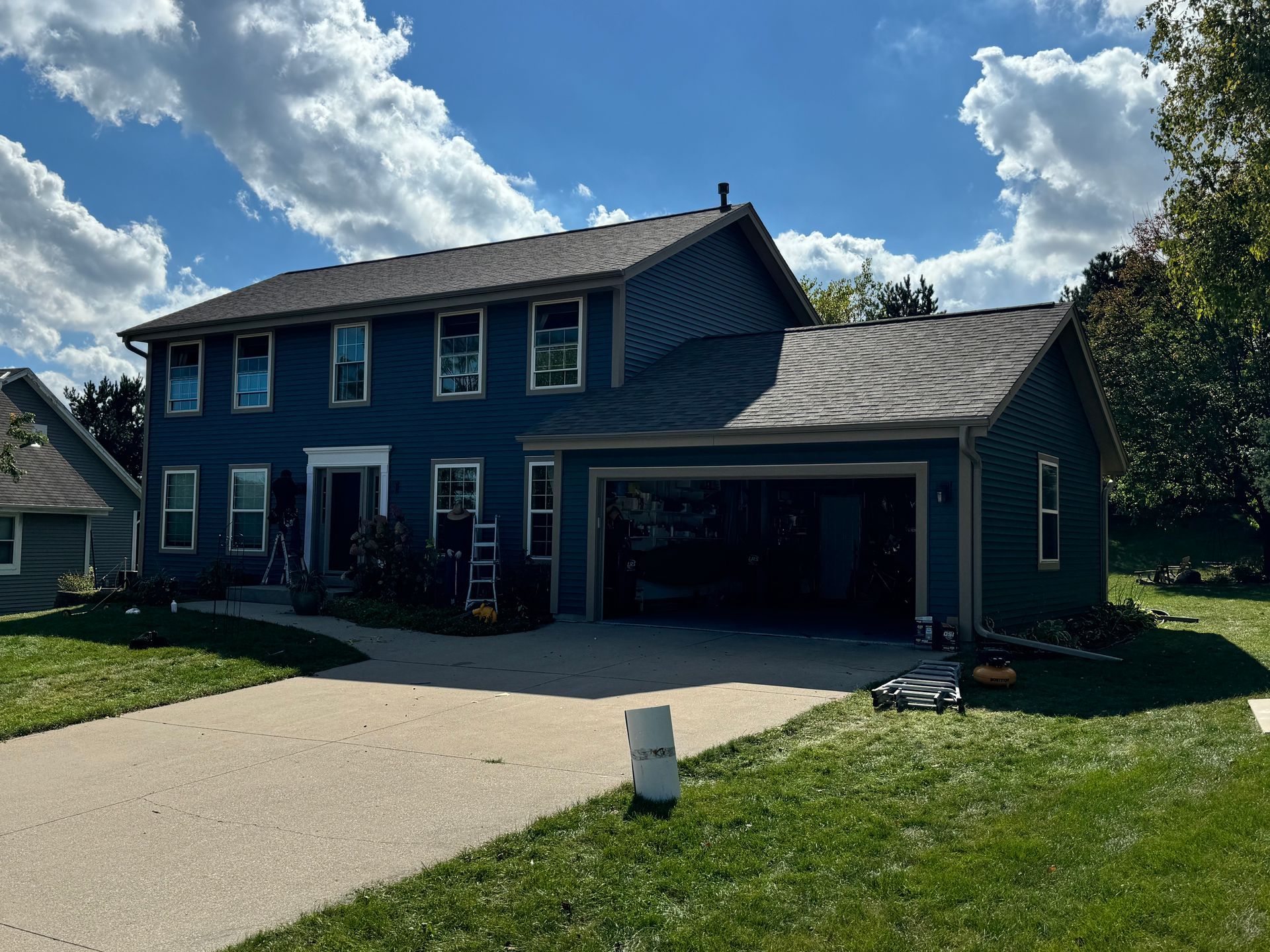
What Janesville homeowners should check before snow, ice, freezing temperatures, and winter winds arrive
Wisconsin winters are hard on roofs. In Janesville, a roof has to handle snow accumulation, freezing rain, ice, strong winds, and repeated freeze-thaw cycles for months at a time. Small roofing problems that were easy to ignore in summer can become much more serious once winter weather settles in.
That is why late fall is one of the best times to inspect your roof and take care of repairs before snow and ice make access more difficult.
For homeowners in Janesville and throughout Southern Wisconsin, preparing the roof now can help reduce the risk of leaks, ice dams, damaged shingles, and expensive mid-winter repairs.
Start With a Roof Inspection
The first step is simply knowing what condition your roof is in.
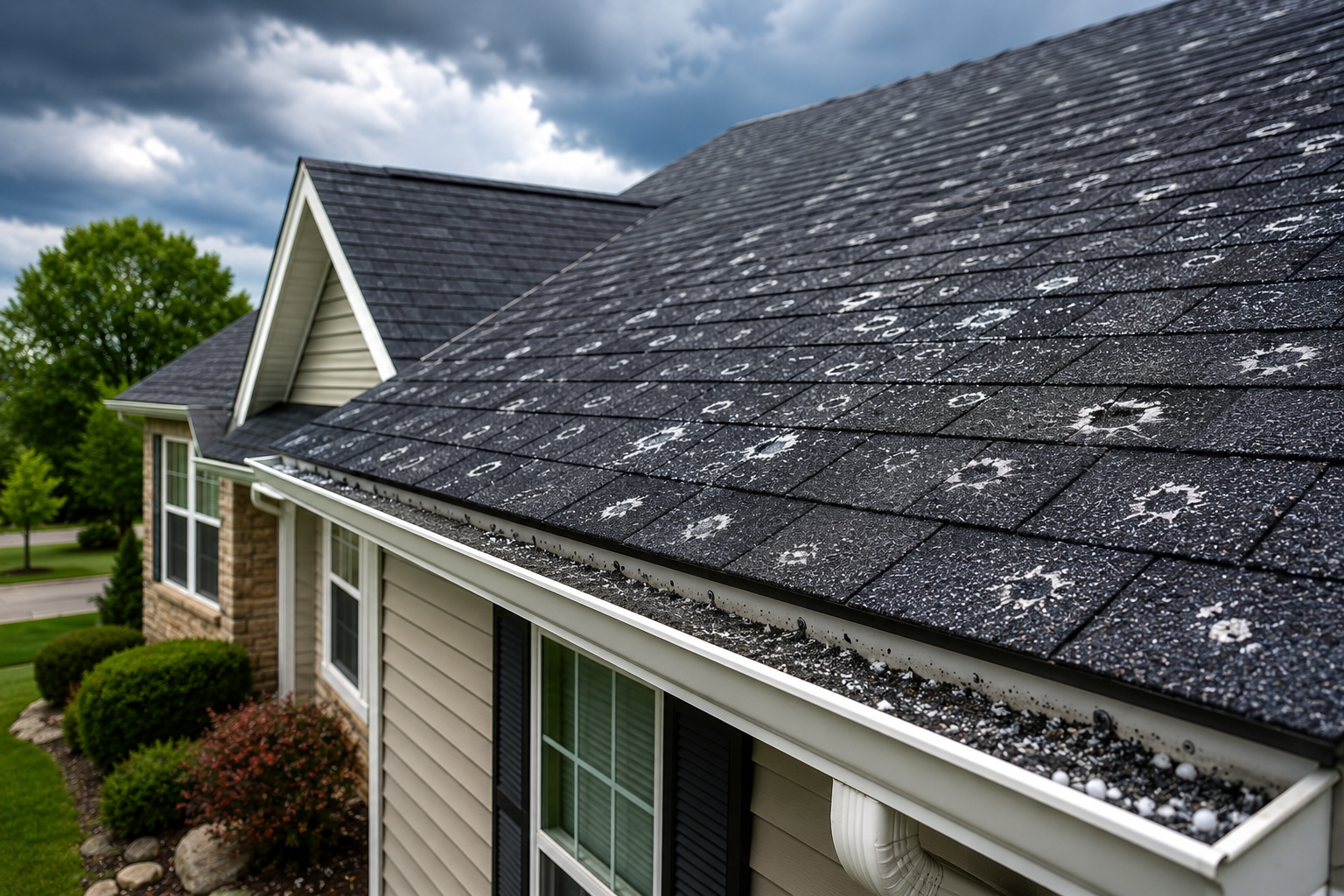
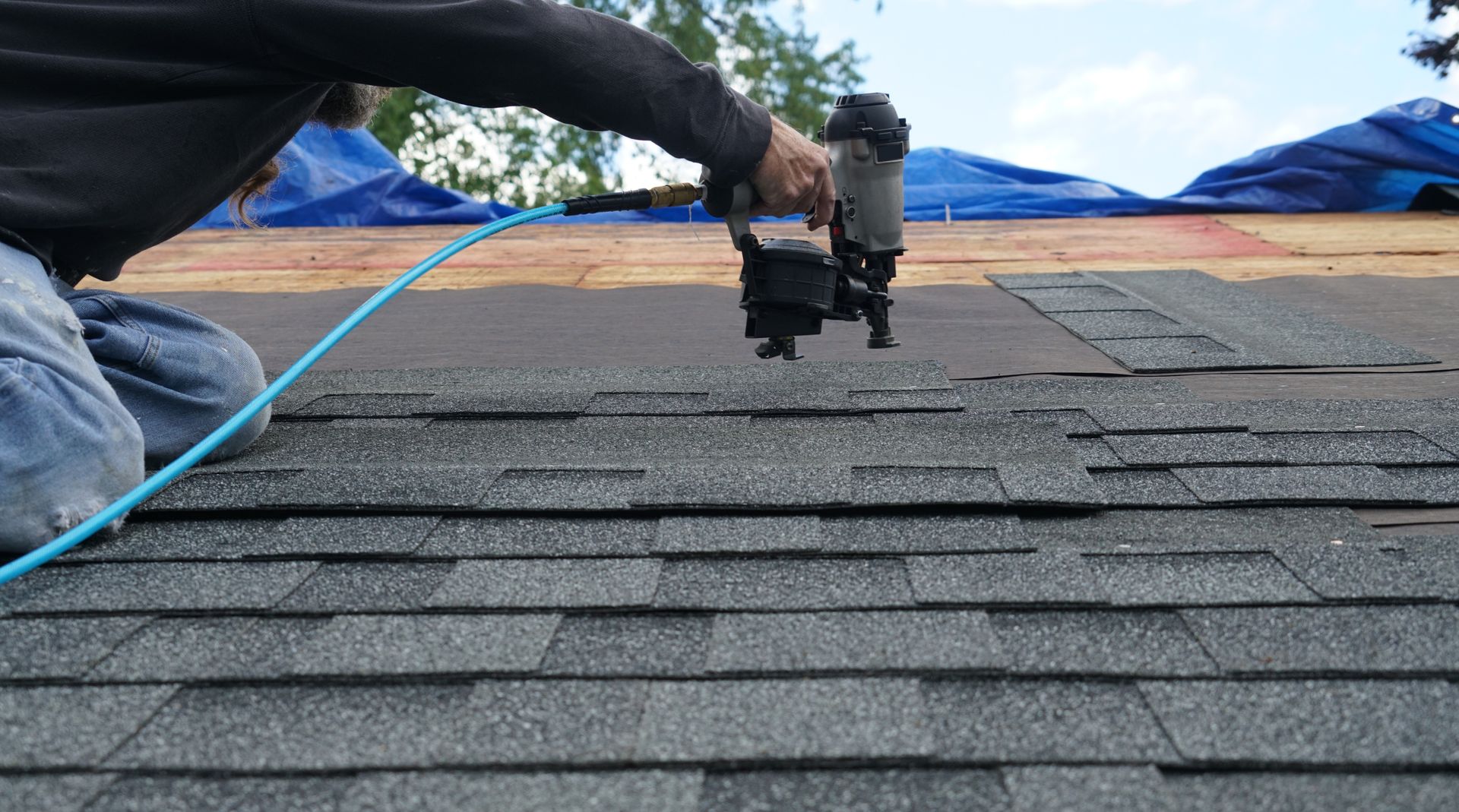
Summer storms, hail, wind, and normal aging can all leave behind damage that may not be obvious from the ground. Missing shingles, loose flashing, deteriorating sealant, and damaged roof edges can all create openings for water once snow begins melting.
Before winter, check for:
- Missing, cracked, or curled shingles
- Loose or damaged flashing
- Excessive shingle granules in the gutters
- Sagging or uneven roof areas
- Damage around vents and chimneys
- Water stains in the attic or on interior ceilings
If you are unsure what you are seeing, a professional residential roofing inspection can help identify problems before winter makes them worse.
Repair Damaged Shingles Before Snow Arrives
A damaged shingle may not seem urgent when the weather is dry, but winter changes the equation.
Snow can sit on the roof for extended periods. As temperatures rise and fall, that snow melts and refreezes. Water can work its way beneath damaged shingles and freeze again, potentially widening gaps and increasing the chance of leaks.
Taking care of shingle repairs before winter helps maintain the roof’s protective barrier and gives your home a better chance of handling months of snow and ice.
Clean Your Gutters and Downspouts
Your roof and gutters work together.
When gutters are packed with leaves and debris, melting snow and rain cannot drain away properly. Water may back up along the roof edge, overflow onto fascia, or freeze inside the gutter system.
Before winter, make sure your gutters are clear and that downspouts are moving water away from the home.
Look for:
- Clogged gutters
- Loose sections
- Leaking seams
- Sagging gutters
- Damaged downspouts
- Water collecting near the foundation
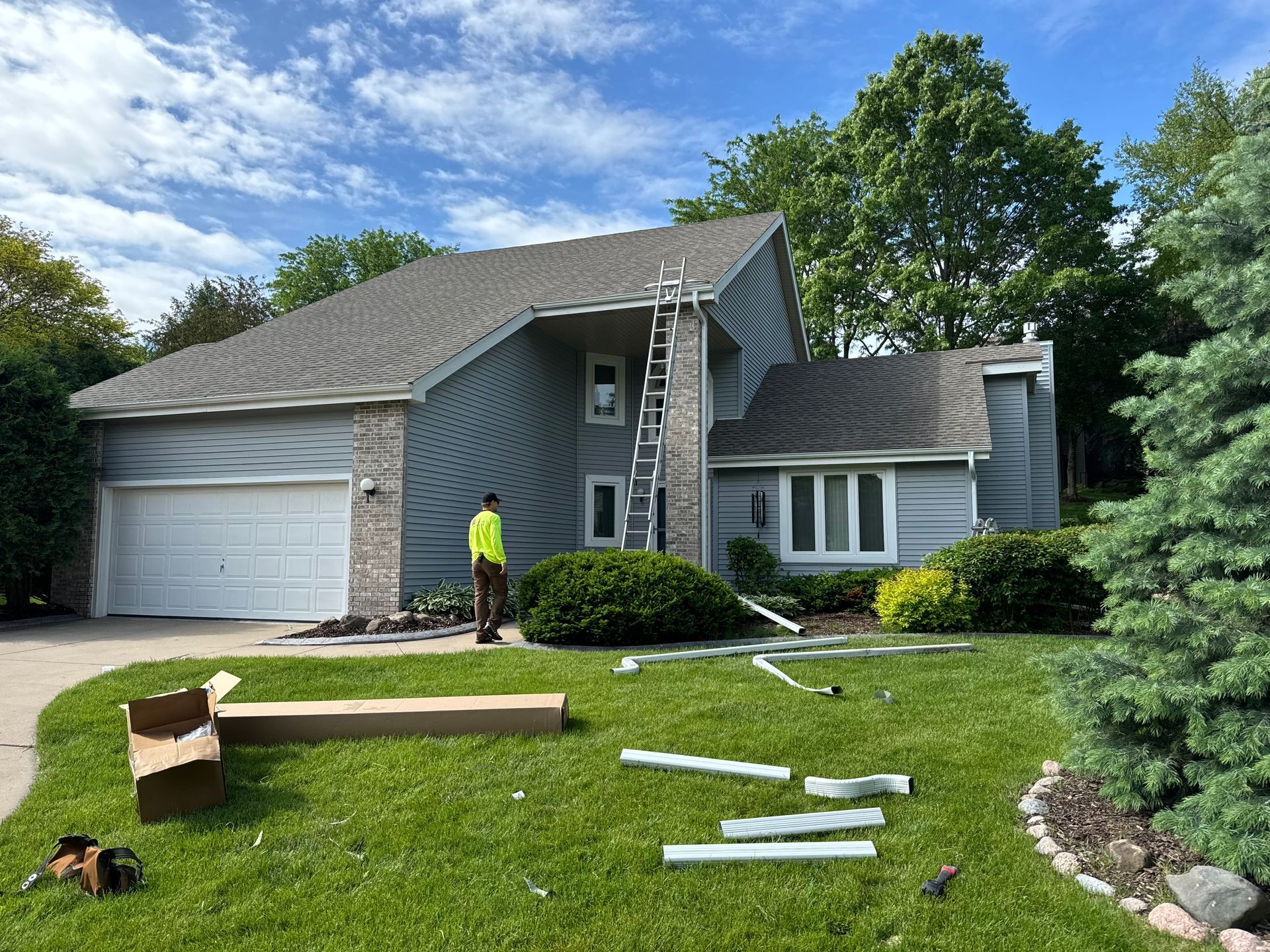
If the existing system is worn or no longer draining properly, gutter replacement and installation may be worth addressing before freezing temperatures arrive.
Check Fascia and Soffit Along the Roofline
Fascia and soffit are important parts of the roofing system, especially during winter.
Fascia helps protect the roof edge and supports the gutters. Soffit helps manage airflow through the attic and protects the underside of the roof overhang.
Damaged fascia, loose soffit panels, or blocked ventilation can contribute to moisture problems and poor attic performance during cold weather.
Look for peeling paint, rotting wood, loose metal, staining, gaps, or animal activity near the roofline.
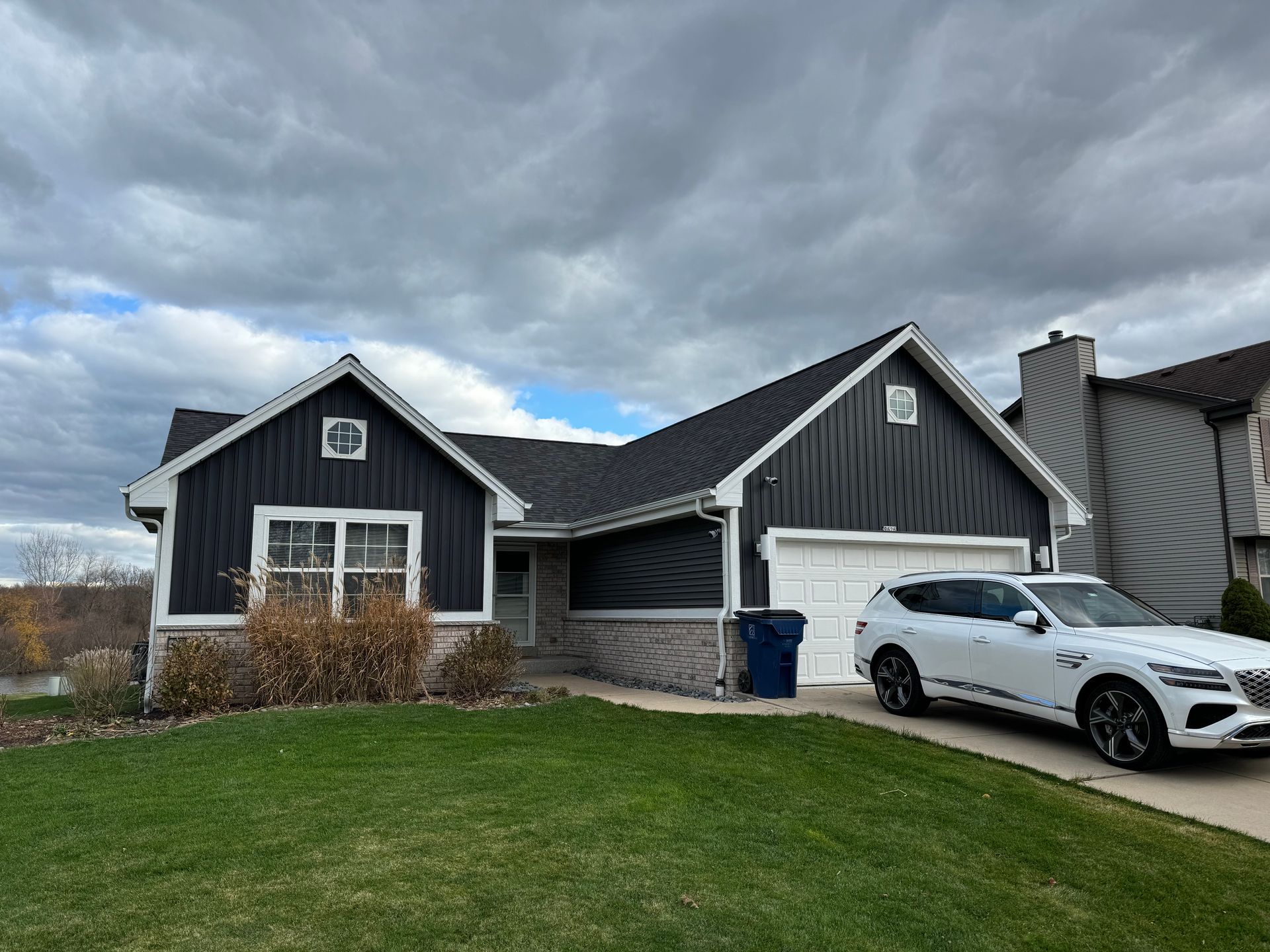
AR Exteriors’ recent custom-bent fascia project in Janesville is a good example of how properly fitted fascia can improve both roof-edge protection and the finished appearance of a home.
Pay Attention to Attic Ventilation
Good attic ventilation matters throughout the year, but it becomes especially important during winter.
Warm air from inside the home naturally rises. If too much heat builds up in the attic, it can warm the underside of the roof and cause snow to melt unevenly.
That melted snow can run toward colder roof edges and refreeze, contributing to ice dam formation.
A properly functioning soffit and ventilation system helps manage attic temperature and moisture, reducing the conditions that contribute to winter roof problems.
Understand the Risk of Ice Dams
Ice dams are one of the most common winter roofing concerns in Wisconsin.
They form when snow melts higher on the roof and then refreezes near the colder eaves. Over time, a ridge of ice can develop along the roof edge.
As more snow melts, water can collect behind that ice and potentially work beneath the shingles.
Warning signs of ice dam problems may include:
- Large icicles forming along the gutters
- Thick ice buildup at the roof edge
- Water stains on ceilings or exterior walls
- Moisture appearing around windows or upper walls
Proper attic ventilation, insulation, drainage, and roof maintenance can all help reduce the risk.
Inspect Flashing Around Chimneys and Roof Penetrations
Chimneys, plumbing vents, skylights, and other roof penetrations are common places for leaks to develop.
The flashing around these areas creates a waterproof transition between the roofing material and the object passing through the roof.
If flashing is loose, bent, cracked, or improperly sealed, melting snow can find its way underneath.
These areas should be part of every pre-winter roof inspection.
Trim Overhanging Branches
Heavy snow and ice can put tremendous weight on tree limbs.
Branches hanging directly over the roof can break during winter storms and damage shingles, gutters, fascia, or even the roof decking below.
Trimming questionable branches before winter helps reduce that risk. It also keeps leaves and debris from piling up on the roof and inside gutters.
Check for Previous Storm Damage
Janesville homeowners should also think back to spring and summer weather.
Hail and strong winds can damage a roof without causing an immediate leak. A bruised or weakened shingle may continue performing for months before winter moisture exposes the problem.
If your property experienced severe weather this year and the roof was never inspected afterward, fall is a good time to have it checked.
Know When Repair Is No Longer Enough
Not every older roof needs replacement, but repeated repairs can eventually stop making financial sense.
Signs that your roof may be nearing replacement include:
- Widespread shingle deterioration
- Frequent leaks
- Large areas of missing granules
- Recurring storm damage
- Sagging sections
- Multiple previous repairs
- A roof approaching the end of its expected service life
If several of these problems are present, replacing the roof before winter may provide better long-term protection than continuing to patch individual areas.
Prepare Your Janesville Roof Before Winter Arrives
Once snow and ice cover the roof, repairs become more difficult and emergency calls become more common. The best time to address roofing problems is before winter weather takes control.
For homeowners in Janesville, WI, a pre-winter roof inspection can help identify damaged shingles, flashing problems, clogged gutters, deteriorating fascia, and ventilation issues while there is still time to correct them.
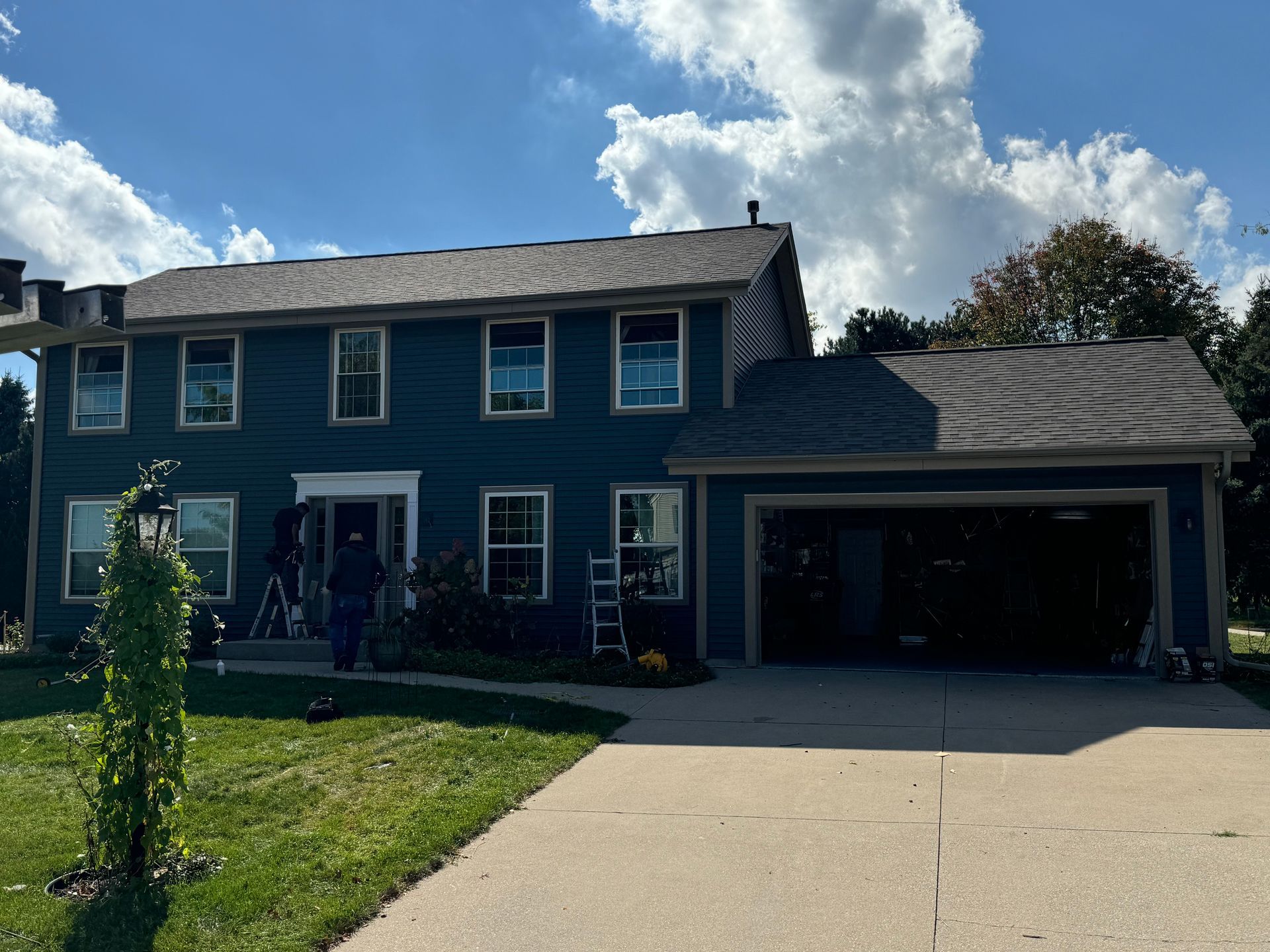
AR Exteriors provides residential roofing, gutters, fascia and soffit, and other exterior services for homeowners throughout Janesville and Southern Wisconsin. If you want to make sure your roof is ready for another Wisconsin winter, contact AR Exteriors to schedule an inspection and estimate.